Structural design is the core that keeps the entire edifice a safe, long-lasting, and energy-efficient one. It not only impacts a structure’s stability but also its performance over time under real-world situations such as loads, weather, and usage. STA Consulting Engineers‘ role is, thus, very pivotal in today’s construction environment that is characterized by strict regulations and high project expectations, in providing structurally sound and compliant solutions that are safe, functional, and cost-effective.
Understanding Structural Design Beyond Calculations
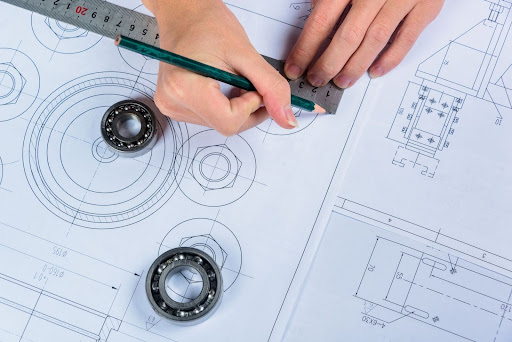
Many people think structural design is just a process of limited calculations and drawings. In reality, it is a multidisciplinary effort that involves work long before construction and even after project completion.
For us, proper structural design means:
- Understanding the architectural intention without jeopardizing safety
- Foreseeing construction problems in advance
- Creating structures that will serve for a long time
Such an approach guarantees that structures are not only safe from the point of view of stability but also easy to build and maintain.
Early Involvement and Project Planning
The most important part of our job is the early intervention. When structural engineers are brought in during the planning and concept phases, risks can be identified even at the level of localities.
During this period, we are mainly concerned with:
- Examining localities and looking at soil reports
- Determining load paths and structural systems
- Advising on materials that are appropriate for the project environment
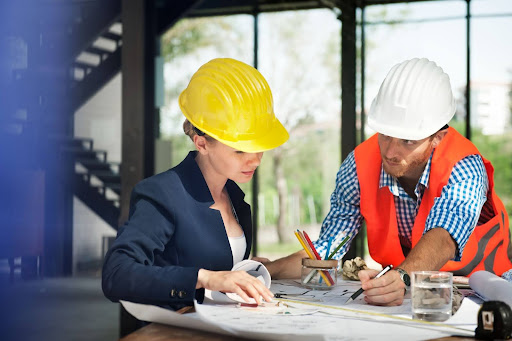
By working closely with architects, developers, and other consultants, we put together a robust structural framework that allows design development to be conducted efficiently.
Coordinating with Design and Construction Teams
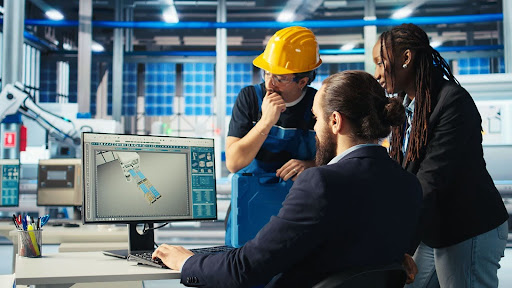
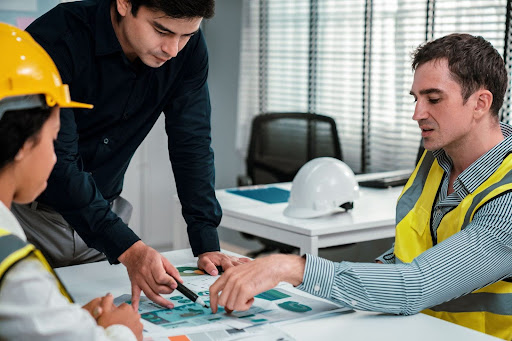
Structural design is not an isolated process. It involves continuous multidisciplinary coordination to ensure that the design remains true to its intended form, function, and feasibility. STA Consulting Engineers are instrumental in this phase when the project is halfway through the lifecycle, as they serve as a technical link between the design concept and the construction reality.
Usually, our coordination activities involve:
- Fixing conflicts between structural and architectural elements
- Aligning service penetrations with maintaining structural integrity
- Responding to design changes while ensuring safety is not compromised
Delays and rework on-site are minimized through clear documentation and timely communication.
Safety, Compliance, and Regulatory Responsibility
Every building must adhere to national and local building codes. Nevertheless, adherence to regulations is only part of the solution. Structural systems also have to include safety factors, durable performance, and adaptability to future use.
We commit ourselves to:
- Designing in line with the Australian standards
- Accounting for wind, seismic, and environmental loads
- Making sure that safety during construction is not compromised by the requirements
Following this thorough method, the structure becomes safe not only for those who inhabit it but also for the owners and all the people involved in the project during its entire lifecycle.
Structural Analysis as the Foundation of Design Decisions
Structural analysis is essentially the moment of truth for the design, where the conceived idea is verified against actual forces from nature and use.
This stage is a necessity for engineers to be able to visualise the effects of dead loads, live loads, wind pressures, as well as other long-term environmental influences on their structures. We are then able, in effect, to use a mesh of analytical methods and engineering judgment to find the areas of the most stress, the limits of deflection, and where the performance of the structure might cause problems, thus, at the very beginning of the design process.
Such a level of care and analysis ingests the whole design spirit of the project and, thus, aids in decision-making; it is a guarantee, therefore, that the final structural system will not only comply with the codes but will be a progressive, safe, and ideally take off from the project-specific site conditions system.
Value Engineering Without Compromise
Cost efficiency is still one of the main points to be taken into consideration when producing modern buildings, but it is not the road leading to their performance. One of the key value engineering points a structural engineer can contribute is by identifying smart alternatives that retain performance and provide efficiency.
Some of them are:
- Optimising member sizes and spans
- Choosing materials that balance strength and durability
- Reducing unnecessary complexity in structural systems
By exploring several design options, we can achieve higher-level goals within feasible budgets.
Adapting to Diverse Project Types
Structural problems could be completely different for various types of projects. For example, residential buildings, commercial spaces, industrial facilities, and infrastructure projects all require different design approaches.
Our experience covers:
- Low-rise and high-rise buildings
- Renovations and structural strengthening
- New developments with complex architectural forms
We don’t apply the same solution to all cases, but rather treat every project with a new analysis.
Supporting Construction Through Technical Guidance
The consulting engineer’s role is beyond issuing drawings. Construction frequently brings up practical questions that need engineering judgment and prompt answers.
At this stage, we:
- Review shop drawings and technical submissions
- Respond to site queries and unforeseen conditions
- Offer design clarifications if necessary
Such continuous participation allows for keeping the design intent and making sure that the structure is built as planned.
Designing for Longevity and Performance
Good structural design doesn’t stop at completion. It takes into account the fact that the building will age, adapt, and perform in the future, which may be decades from now.
Some of the major issues are:
- Durability of materials in local environments
- Maintenance requirements over time
- Flexibility for future modifications
This long-term approach lowers lifecycle costs and increases the building’s overall resilience.
A Broader Perspective on Structural Responsibility
The real worth of STA Consulting Engineers is in realizing that structures not only carry loads they support people, operations, and communities. Structural design is a technical and moral responsibility at the same time, which entails accuracy, foresight, and collaboration.
Engineering That Stands the Test of Time
Structural design is not about visibility; it is a matter of trust. The structures that are the most successful are those that provide their service every day without any failure or disruption. Our goal through the use of disciplined analysis, practical experience, and collaborative thinking is to create designs that can withstand the demands of the real world.
When working on projects that require the expertise of a reliable structural engineering team, it is crucial to be able to rely on a firm that maintains transparency and gives you complete control over the process. CSA Engineering is, however, well-known among the industry peers as a leading company that can provide you with a perfect and technically beautiful structural outcome, which is in line with the requirements of new construction.